
 DAILYSTAR.CO.UK – The dating app Feeld is gaining popularity among Gen Z as they move away from traditional monogamous relationships and explore non-monogamous and polyamorous connections. Feeld, a platform for the "curious," has seen a 966% increase in users selecting non-monogamy as a preference since its 2014 launch. With ~2M members, 60% of whom are couples, the app caters to those seeking to explore their sexuality without the pressure to settle down.
Month: August 2024
Muzz Brings Modern Matchmaking to Pakistan

DEVDISCOURSE – Muzz, a UK-based dating app, held its first in-person matchmaking event in Lahore, attracting ~100 attendees. This event challenges Pakistan's traditional matchmaking norms, where marriages are usually arranged by parents. Muzz, designed for Muslim users, aligns with Islamic values and is gaining acceptance in the conservative society.
Sad News for the Dating World: Pioneering Love Researcher Helen Fisher Passes Away at 79

NEW YORK TIMES – Helen Fisher, a renowned biological anthropologist, passed away at 79 due to endometrial cancer. She was known for her groundbreaking research into the brain's circuitry related to love, proving that romantic love is hard-wired in the brain. Fisher's studies, including MRI scans, identified brain regions activated during early-stage love and after romantic rejection. As the chief science adviser to Match.com, she developed tools like the Fisher Temperament Inventory to explore romantic compatibility. Fisher's influential research and TED Talks reached millions. She completed her final book, tentatively titled "Thinking Four Ways: How to Reach Anyone With Neuroscience," just days before her death.
By Richard Sandomir
See full article at The New York Times
Mark Brooks: The dating industry has lost one of its best. Dr Helen Fisher was a gracious leading contributor to the science of biological anthropology, and love. I first met her when she presented at the iDate conference many years ago, and more recently when Dr Fisher presented at LTR in 2021. A sad day! Rest in peace Dr Fisher. You are greatly missed.
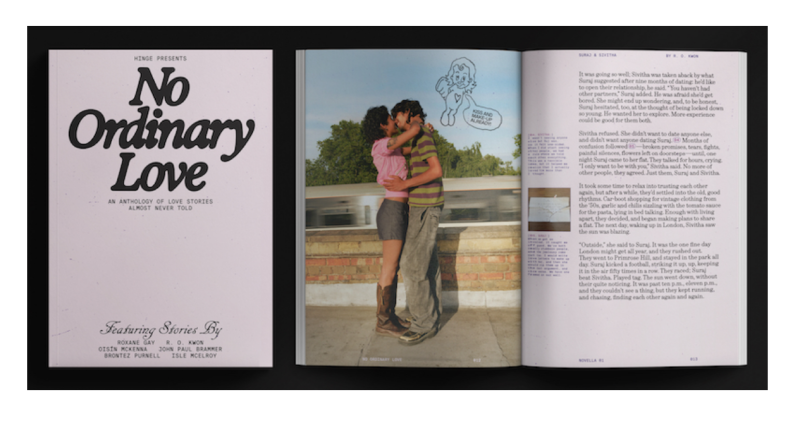
Hinge Turns Real-Life Matches Into BookTok-Inspired Romance Stories
Quit Dating Apps, Russia Tells Border Region Citizens Over Security Fears
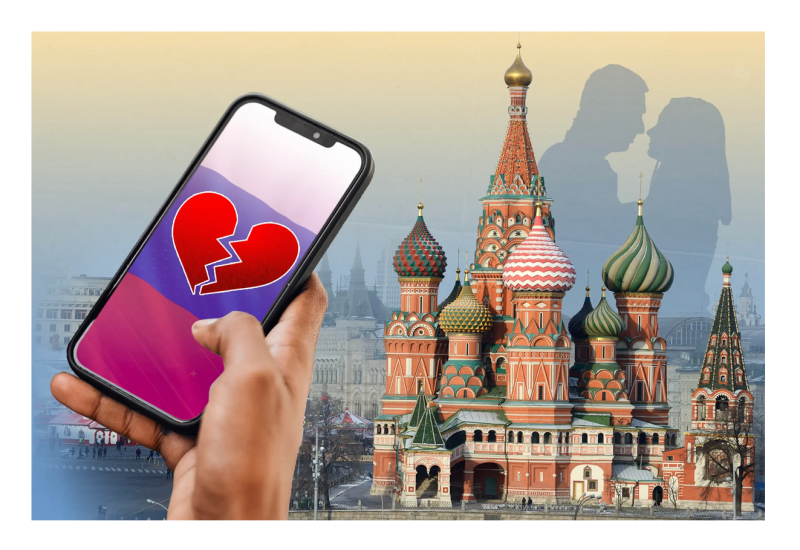
by Olga Voitovych, Edward Szerekes & Ivana Kottasová
See full article at CNN
Jessica Alderson – Lessons From a Dating Startup, and Our Pivot
LTR – Jessica Alderson, co-founder and CEO of So Syncd, shares her entrepreneurial journey from starting the dating app with her sister in 2021 to its recent transformation into a media company focused on dating, relationships, and personality content. Originally matching users based on personality compatibility, So Syncd evolved in response to challenges in the dating app market and capitalized on growing interest in personality content. Jessica emphasizes that pivots can be positive and unintentional, highlights the difficulties of running dual businesses with limited resources, and shares insights on investor communication, user conversion, and the importance of organic growth. Now, with a new CEO and a rebranded focus, So Syncd continues to help people find meaningful connections while exploring new monetization strategies and industry partnerships.
The July LTR was kindly sponsored by ParshipMeet Group, RealMe, Dating Through Curiosity, along with Courtland Brooks and Matchmaker.com
AI Exposes Height Lies on Dating Apps: Women Use ChatGPT to Catch Deception
 FIRST POST – Women on dating apps use ChatGPT to expose men who lie about their height, a trend highlighted by OkCupid's finding that many men exaggerate their height to attract dates. Tired of the deception, women are leveraging AI to estimate real heights from photos, adding a tech-savvy twist to the dating scene.
Credit Scores Is the New Dealbreaker on Dating Apps
 WALL STREET JOURNAL – Credit scores are increasingly discussed on dating apps, with some users prioritizing financial stability over looks or personality. A Credit Karma survey found that two-thirds of Americans value a good credit score in a partner. On OkCupid, users who keep a budget get 25% more matches, and a third of users consider a high credit score important. While some see credit scores as a sign of reliability, others find this focus distasteful. Experts caution that while financial responsibility is important, shared values and compatibility are more critical for long-term relationship success.
Video – Dating Apps ‘Have to Go Back to the Drawing Board’ for Gen Z
 YAHOO FINANCE – Dating apps struggle to adapt to Gen Z preferences, favoring in-person connections over traditional swiping. While Grindr has thrived due to its broad social features within the gay community, other apps like Bumble and Tinder are rethinking their strategies to better resonate with younger users. Hinge has found success by focusing on serious relationships rather than swipe-based interactions. Despite Gen Z's shift toward offline interactions, dating apps still see growth, but they must innovate to remain relevant in this evolving market. Grindr shares are up by over 38% year-to-date, while Bumble is down by 58% in that same window. Match Group is down ~6% in 2024 but has seen a slight uptick in its share price over the past month.
‘Bumble Fumble’: Online Dating Apps Struggle as People Swear off Swiping
THE GUARDIAN – The online dating industry is in crisis as shares fall and nearly half of all users report negative experiences with the apps. In May, Bumble ran an 'anti-celibacy' ad. The backlash to the "Bumble fumble" was swift, and the company apologized. Shares in Bumble crashed, and Match Group reported a decline in total paying users for seven quarters. According to Pew Research, nearly half of all online daters and more than half of female daters say their experiences have been negative. Also, 52% of online daters said they had come across someone they thought was trying to scam them; 57% of women said online dating is not too or not at all safe.


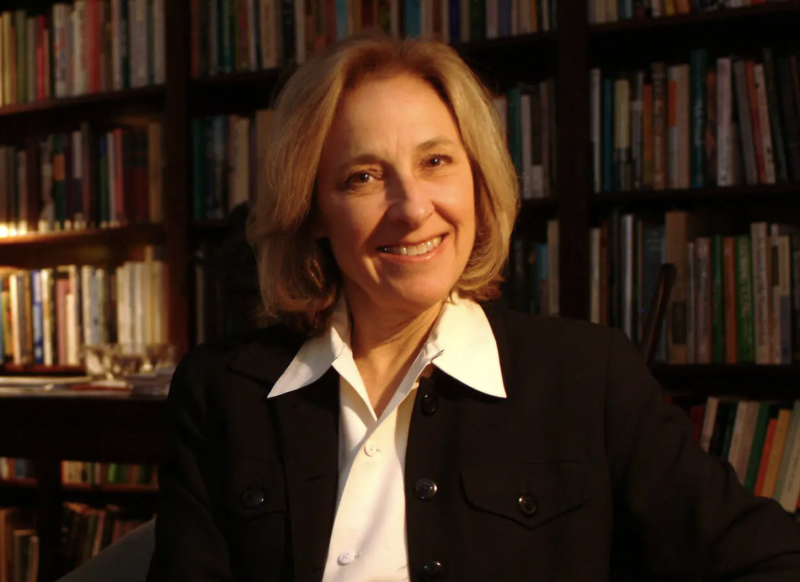
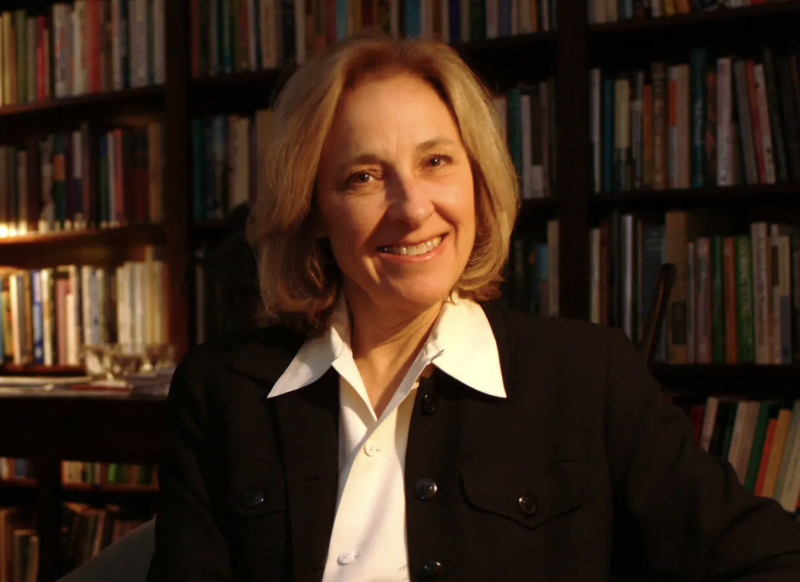

The online dating industry is relatively small, at several billion in annual revenues, compared with multitrillion-dollar social media tech giants, says Mark Brooks, an industry consultant and co-editor of Online Personals Watch. "People are getting wise to swiping," Brooks says. "It was deadly to old-school dating apps, like eHarmony, that took a high-integrity approach by saying, 'If you're really serious, you can answer 200 questions, and then we can do a semi-decent job of matching you with someone.'" "Mobile completely disrupted online, and it created this addictive behavior."
Nor did the development of swipe-based dating apps replace the missed connections classified ads section of a local newspaper. "It's not 'missed connections' because these are connections that were never even missed," Brooks says. The French app Happn is the closest you'll get to serendipity. At heart, Brooks says, online dating needs to get back to basics and overcome the paradox of choice.
But the pure utility of online dating is not in terminal decline, he thinks, because it allows people to get the tough questions out of the way right up front. "For people looking for long-term relationships, there will always be certain show-stopping questions, among them: Do you want to get married? Are you married? Do you have kids? Do you smoke?" he says. The goal is, as ever, what Brooks calls a BLR: a "beautiful, loving relationship."
"Chemistry is key – but looking for a long – or short-term partner, it's wise to know their sexual preferences, lifestyle, location, and religion right up front."
by Edward Helmore
See full article at The Guardian