
 FINANCIAL TIMES – Targeted dating apps are gaining traction as mainstream rivals like Tinder and Bumble face user declines. Apps like Grindr and Feeld attract specific communities, such as gay men and those interested in non-monogamy. Grindr's shares have doubled in 2023, contrasting with declining shares of Match Group and Bumble. Feeld has seen a 10% increase in users exploring open relationships and polyamory. These niche apps benefit from a deep understanding of their communities, leading to higher user loyalty and monetization opportunities. Match Group is shifting focus to niche products like Archer, for gay and bisexual men, and other demographically tailored apps to offset declines in mainstream platforms.
Category: Bumble
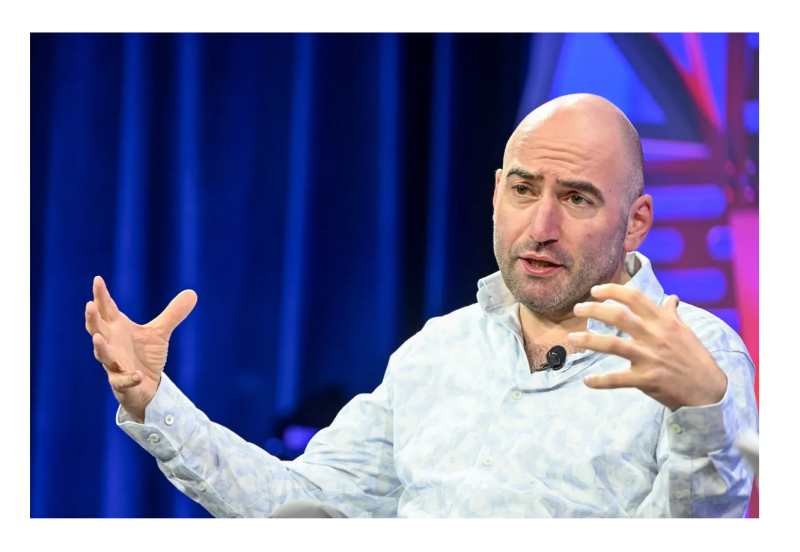
Tinder and Bumble are Tanking Because They Treat Men Badly, Grindr CEO Said
by Eva Roytburg
See full article at Fortune
See the top news on Tinder
See the top news on Grindr
See the top news on Bumble
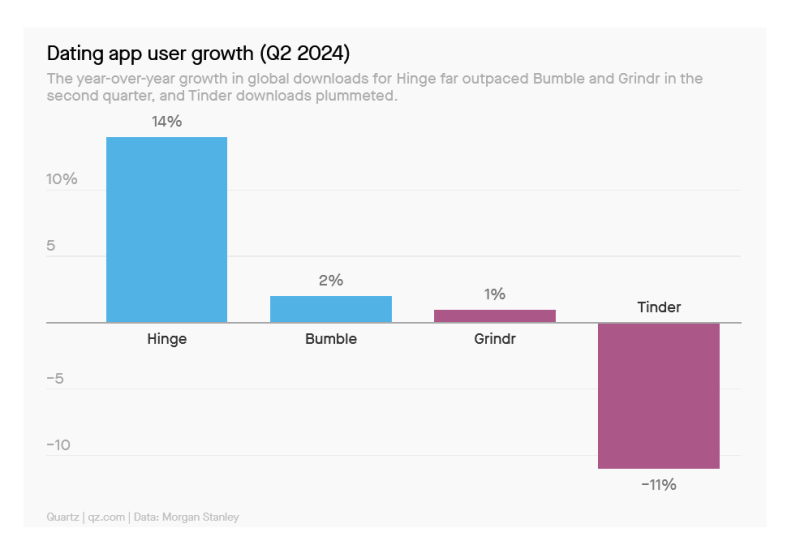
Hinge and Grindr Are Leaving Bumble and Tinder in the Dust
by Laura Bratton
See full article at Quartz
See the top news on Hinge
See the top news on Grindr
See the top news on Bumble
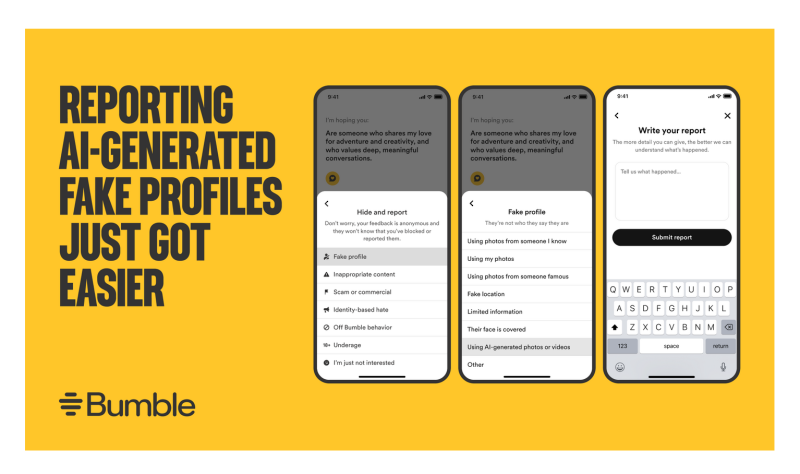
Bumble Users Can Now Report Profiles That Use AI-generated Photos
Bumble Defies the Odds in the Dating Sphere
 TIP RANKS – Bumble's AI-powered growth strategy has expanded its user base in Europe and Latin America, despite initial skepticism. With new CEO Lidiane Jones, Bumble plans to acquire Geneva, a community app, by Q3 2024 to improve its social features. In Q1 2024, Bumble reported $268M in revenue and net earnings of $34M, significantly improving from a loss in Q1 2023. The company forecasts continued revenue and EBITDA growth for the year. Analysts have set a price target of $14.57, suggesting a potential 56% upside. Despite recent volatility, Bumble's stock presents a notable investment opportunity.
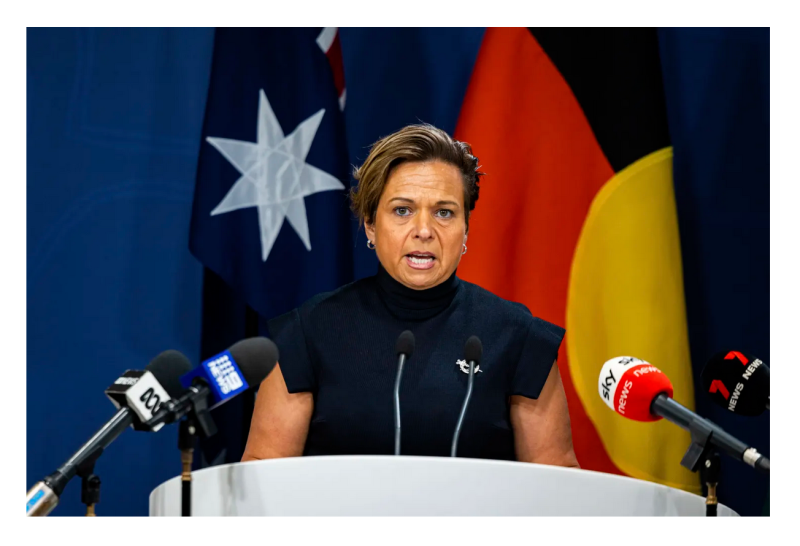
Dating App Abusers Face Platform-Wide Bans in Australia
by Clay Lucas
See full article at The Age
See the top news on Bumble
See the top news on Match Group
See the top news on Grindr
Bumble Joins Effort to Combat Non-Consensual Intimate Images

LINKEDIN – Bumble Inc. has joined the Center for Democracy & Technology's working group to tackle the creation, spread, and monetization of non-consensual intimate images (NCII), including AI-generated content. This initiative brings together technology companies, trust and safety practitioners, experts in online gender-based violence, and digital rights organizations to discuss effective interventions.

Dating Apps Once Ran on Novelty. For Some Users, the Fun Is Over

by Sara Ashley O'Brian & Katie Deighton
See full article at Wall Street Journal
See the top news on The League
See the top news on Hinge
See the top news on Bumble
Dating Apps’ Hidden Money-Making Strategies, Explained
WALL STREET JOURNAL – The $5B dating app industry is largely dominated by Match Group. But downloads across the industry are falling. Here’s how some apps are shifting to stay competitive, with features that go beyond just dating. Video featuring Mark Brooks, CEO of Courtland Brooks; Shahzad Younas, CEO of Muzz; George Arison, CEO of Grindr; and Whitney Wolfe Herd, Founder of Bumble.
See the top news on Bumble
See the top news on Grindr
See the top news on Muzz
Bumble Launches Opening Moves
STORYBOARD 18 – Bumble has introduced a new feature called "Opening Moves," allowing women to set a question for their matches to respond to, promoting engaging conversations while keeping women in control. To highlight this, Bumble launched an India-wide campaign featuring Bollywood actors Khushi Kapoor and Vedang Raina. Women can use one of Bumble's recommended Opening Moves, or craft their own. According to Bumble's research, 46% surveyed on Bumble shared that having more ways to start a conversation would make their dating app experience even better.